Statement lighting fixtures are bold design elements that can serve as the centerpiece of a room. These fixtures often draw the eye and can set the tone for the entire space. For instance, a large chandelier made of crystal or metal can add a touch of elegance to a dining room, while an oversized pendant light in a vibrant color can inject personality into a kitchen or living area.
The key to using statement lighting effectively lies in scale and proportion; the fixture should complement the size of the room and the other elements within it. In addition to their aesthetic appeal, statement lighting fixtures can also serve practical purposes. For example, a dramatic floor lamp can provide targeted light for reading while simultaneously acting as a sculptural piece in the corner of a room.
Similarly, a striking wall sconce can illuminate artwork or architectural features while enhancing the overall design scheme. When selecting statement fixtures, it is essential to consider not only their visual impact but also how they will interact with other sources of light in the space. Layering different types of lighting—ambient, task, and accent—can create a harmonious balance that enhances the overall effect.
LED strips have revolutionized the way we think about lighting in both residential and commercial spaces. These flexible strips can be installed in various locations to create ambient lighting that adds depth and warmth to any environment. One popular application is under-cabinet lighting in kitchens, where LED strips illuminate countertops without creating harsh shadows.
This not only enhances functionality but also adds a modern touch to the space. Beyond kitchens, LED strips can be used creatively in living rooms, bedrooms, and even bathrooms. For instance, installing LED strips along the edges of shelves or behind televisions can create a soft glow that enhances the overall ambiance without overwhelming the senses.
Additionally, these strips are available in various colors and brightness levels, allowing for customization based on mood or occasion. Whether you want a calming blue hue for relaxation or vibrant colors for a party atmosphere, LED strips offer versatility that traditional lighting options cannot match.
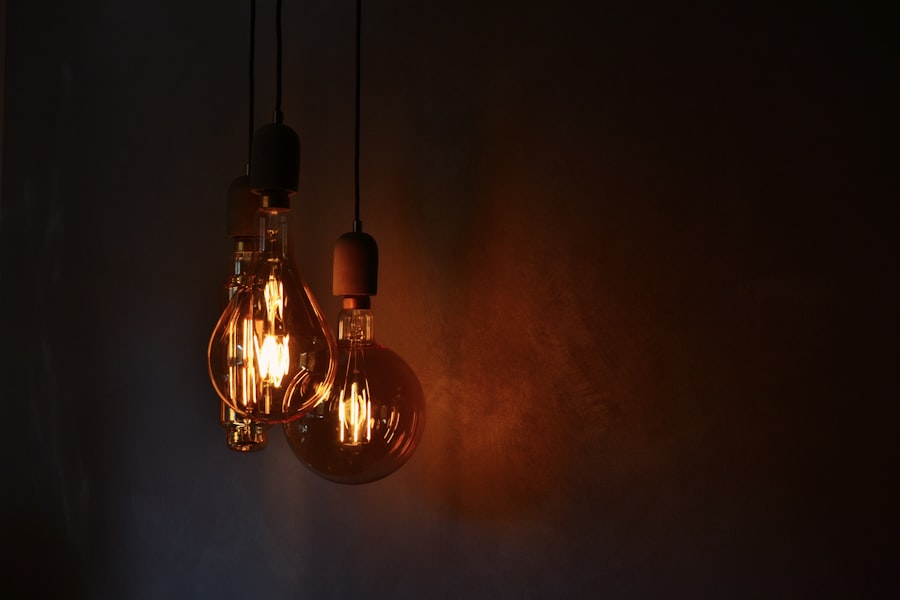
The interplay of light and shadow is a powerful tool in creative lighting design. By strategically placing light sources, designers can create dramatic effects that add depth and intrigue to a space. For example, using uplighting to cast shadows on textured walls or architectural features can create a stunning visual impact.
This technique is particularly effective in spaces with interesting shapes or materials, such as brick or stone. Silhouettes can also be used to great effect in both indoor and outdoor settings. By positioning lights behind objects—such as plants or sculptures—designers can create striking outlines that draw attention to these features.
This technique is especially popular in gardens or patios, where outdoor sculptures or trees can be highlighted against the night sky. The result is an enchanting atmosphere that invites exploration and appreciation of the surrounding environment.
| Technique | Definition |
|---|---|
| Shadows | Dark area or shape produced by an object coming between rays of light and a surface |
| Silhouettes | Outline of a person or object filled in with a solid color, usually black |
| Lighting | Key element in creating shadows and silhouettes in photography and art |
| Composition | Arrangement of elements within a photograph or artwork to create visually appealing shadows and silhouettes |
Color-changing bulbs have gained popularity as an innovative way to enhance lighting design. These bulbs allow users to adjust the color temperature and hue according to their preferences or needs at any given moment. For instance, during the day, a cooler white light may be preferred for productivity and focus, while warmer tones may be more suitable for evening relaxation.
The ability to change colors at will provides flexibility that traditional bulbs simply cannot offer. In addition to their practical applications, color-changing bulbs can also be used creatively for events or special occasions. Imagine hosting a dinner party where the lighting shifts from warm white during appetizers to vibrant colors during dessert, creating an engaging atmosphere that captivates guests.
Furthermore, smart home technology has made it easier than ever to control these bulbs remotely or program them to change automatically based on time or activity, adding another layer of convenience to modern living.
Task lighting is essential for areas where specific activities take place, such as reading, cooking, or working. However, it can also serve as a focal point within a room when designed thoughtfully. For example, a well-placed desk lamp with an artistic design can draw attention to a workspace while providing necessary illumination for tasks at hand.
Similarly, pendant lights over kitchen islands not only provide functional light for food preparation but also act as eye-catching features that anchor the space. When designing with task lighting in mind, it is crucial to consider both functionality and aesthetics. The fixture should provide adequate light without causing glare or harsh shadows.
Additionally, incorporating dimmable options allows users to adjust brightness levels based on their needs at different times of day. By carefully selecting task lighting that complements the overall design scheme while serving its intended purpose, designers can create spaces that are both beautiful and practical.
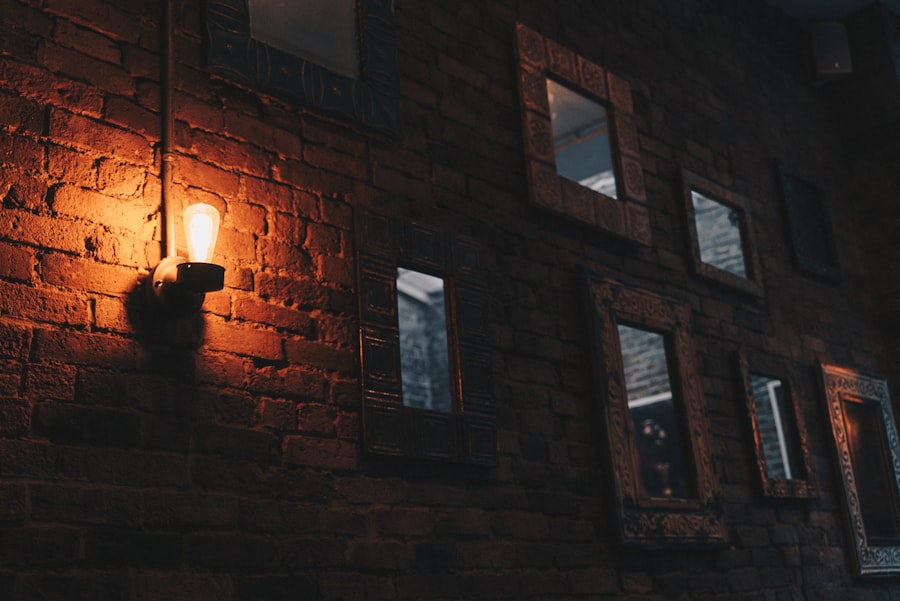
Outdoor spaces offer unique opportunities for creative lighting design that can extend living areas beyond the confines of walls. Landscape lighting plays a vital role in enhancing these spaces by highlighting pathways, gardens, and architectural features while ensuring safety during nighttime hours. Well-placed lights along walkways not only guide guests but also create an inviting atmosphere that encourages outdoor enjoyment.
In addition to functional considerations, landscape lighting allows for artistic expression through the use of various techniques such as spotlighting trees or uplighting architectural elements like columns or pergolas. These methods create dramatic effects that transform outdoor areas into enchanting retreats after dark. Moreover, solar-powered lights have become increasingly popular due to their eco-friendliness and ease of installation, making it possible for homeowners to enhance their landscapes without extensive wiring or electrical work.
Mirrors are often overlooked as a tool for enhancing lighting design; however, they possess remarkable capabilities when it comes to reflecting and amplifying light within a space. Strategically placing mirrors opposite windows or light sources can significantly increase natural light levels during the day while creating an illusion of depth and spaciousness. This technique is particularly beneficial in smaller rooms where maximizing light is essential.
In addition to their reflective properties, mirrors can also serve as decorative elements that contribute to the overall aesthetic of a room. From ornate antique mirrors to sleek modern designs, there are countless styles available that can complement any decor theme. By incorporating mirrors thoughtfully into lighting design schemes—whether through wall-mounted options or freestanding pieces—designers can create bright, airy environments that feel open and inviting while showcasing the beauty of both natural and artificial light sources.
If you’re looking for more inspiration on creative lighting ideas, be sure to check out this article on 10 Unique Lighting Fixtures to Add to Your Wishlist. This article showcases a variety of innovative and stylish lighting options that can help elevate the ambiance of any space. Whether you’re looking for statement pieces or subtle accents, this article has something for everyone.
Some creative lighting ideas for a room include using string lights to create a cozy atmosphere, incorporating LED strip lights for a modern look, and using pendant lights to add a stylish touch to the space.
You can use track lighting or picture lights to specifically illuminate artwork or decor in a room. This can help draw attention to these pieces and create a focal point in the space.
To create a dramatic lighting effect in a room, you can use uplighting to highlight architectural features, incorporate dimmable lights to control the ambiance, and use colored lights to add a bold and unique touch to the space.
You can use recessed lighting to create a sense of depth in a small space, incorporate mirrors to reflect light and make the room feel more open, and use task lighting to draw attention to specific areas and create the illusion of more space.
Some creative outdoor lighting ideas for a backyard or patio include using solar-powered lanterns for an eco-friendly option, incorporating string lights to create a festive atmosphere, and using pathway lighting to illuminate walkways and add a decorative element to the outdoor space.



Leave a comment