Selecting the appropriate lighting fixtures is crucial for achieving the desired effect in any room. The first step in this process is to consider the function of the space. For instance, a kitchen requires bright, focused lighting for food preparation, while a bedroom benefits from softer, more ambient light that promotes relaxation.
The style of the fixtures should also align with the overall decor theme of the room. A minimalist space may call for sleek, unobtrusive designs, while a more eclectic environment might embrace bold, statement pieces that draw attention. When choosing fixtures, it’s essential to consider the scale and proportion relative to the room size.
Oversized chandeliers can create a stunning focal point in a grand dining area, while smaller pendant lights may be more suitable for intimate spaces like a reading nook. Additionally, layering different types of lighting—ambient, task, and accent—can create a well-rounded illumination scheme that enhances both functionality and aesthetics. For example, combining recessed lighting with decorative wall sconces can provide general illumination while also adding visual interest.
Warm lighting plays a pivotal role in establishing a cozy atmosphere within a room. The color temperature of light is measured in Kelvin (K), with lower values indicating warmer tones that evoke feelings of comfort and relaxation. Typically, warm white light falls within the range of 2700K to 3000K.
This type of lighting is particularly effective in spaces where people gather, such as living rooms and dining areas, as it fosters an inviting environment conducive to social interaction. To achieve a cozy ambiance, consider using dimmable fixtures that allow for adjustable brightness levels. This flexibility enables you to tailor the lighting to suit different occasions—bright for lively gatherings or soft for quiet evenings at home.
Incorporating lamps with warm-toned bulbs can also enhance the overall warmth of a space. Table lamps and floor lamps with fabric shades diffuse light gently, creating a soft glow that envelops the room in comfort. Additionally, using multiple light sources at varying heights can add depth and dimension, further contributing to a warm and inviting atmosphere.
While ambient lighting sets the mood, task lighting serves a practical purpose by providing focused illumination for specific activities. This type of lighting is essential in areas where detailed work is performed, such as kitchens, home offices, and reading corners. Effective task lighting should be bright enough to prevent eye strain while also being positioned to minimize shadows.
When selecting task lighting fixtures, consider options such as adjustable desk lamps or under-cabinet lights in kitchens. These fixtures can be directed precisely where needed, ensuring optimal visibility for tasks like reading or cooking. In home offices, a well-placed desk lamp can illuminate work surfaces without overwhelming the space with harsh light.
Moreover, incorporating LED strip lights under shelves or cabinets can provide subtle yet effective task lighting that enhances both functionality and aesthetics.
| Task Lighting Benefits | Task Lighting Types | Task Lighting Placement |
|---|---|---|
| Reduces eye strain | Desk lamps | Above work surfaces |
| Improves focus and productivity | Under cabinet lights | Next to reading areas |
| Enhances visibility for detailed tasks | Floor lamps | On task-specific equipment |
Accent lighting is an invaluable tool for drawing attention to specific features within a room. Whether it’s artwork on the walls, architectural details like crown molding, or unique furniture pieces, accent lighting can create visual interest and depth. This type of lighting typically involves brighter sources that contrast with ambient light levels, allowing highlighted elements to stand out.
To effectively use accent lighting, consider employing track lights or adjustable spotlights that can be directed toward focal points. For instance, illuminating a piece of artwork with a dedicated picture light not only enhances its visibility but also adds an artistic flair to the overall decor. Similarly, using wall-mounted sconces to highlight architectural features can create dramatic shadows that enhance the room’s character.
When done thoughtfully, accent lighting can transform ordinary spaces into extraordinary showcases.
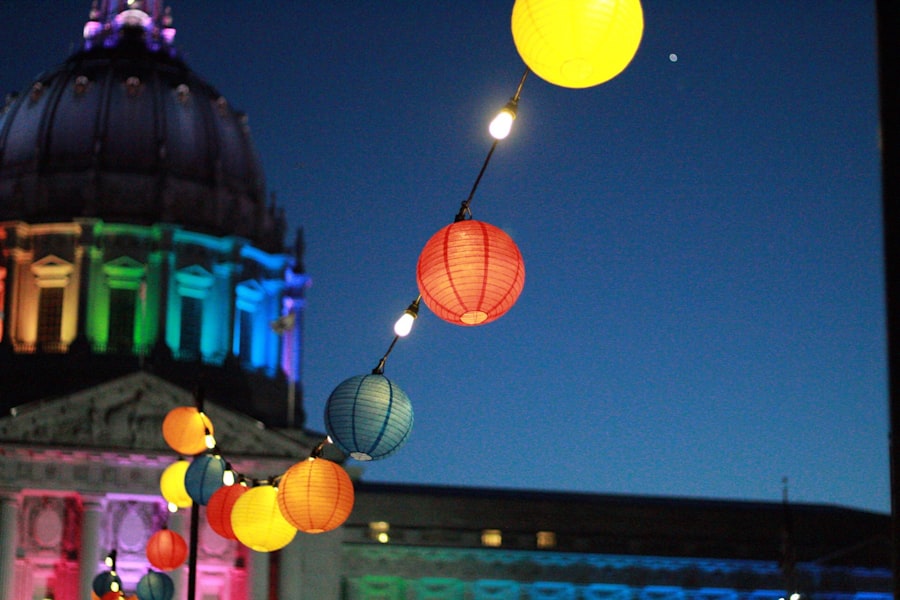
The color of light significantly influences how we perceive our surroundings. Different color temperatures can evoke various emotions and set distinct moods within a space. For example, cooler light temperatures (above 4000K) tend to promote alertness and focus, making them ideal for workspaces or areas where concentration is key.
Conversely, warmer temperatures create a sense of calm and relaxation, perfect for bedrooms or living areas. Incorporating colored bulbs or filters can further enhance the creative potential of your lighting scheme. For instance, using colored LED bulbs allows you to change the ambiance of a room instantly—transforming a serene space into a vibrant party atmosphere with just a flick of a switch.
Additionally, smart lighting systems enable users to adjust both color and intensity remotely, providing endless possibilities for customization based on mood or occasion.
Natural light is one of the most desirable elements in interior design; it not only enhances the aesthetic appeal of a room but also contributes positively to mental well-being. Maximizing natural light involves strategic planning during both design and decor phases. Large windows are an obvious choice for allowing sunlight to flood in; however, other considerations include window treatments that permit light while maintaining privacy.
Using mirrors strategically can amplify natural light by reflecting it throughout the space. Placing mirrors opposite windows or in areas where they can catch sunlight creates an illusion of depth and brightness. Additionally, opting for lighter colors on walls and furnishings can help bounce light around the room rather than absorb it.
Open floor plans that allow light to flow freely between spaces also contribute to an airy feel that enhances overall comfort.
As technology advances and design trends evolve, innovative lighting solutions continue to emerge. One exciting trend is the use of smart home technology to control lighting systems remotely or through voice commands. Smart bulbs allow users to adjust brightness levels and color temperatures from their smartphones or smart speakers, providing unprecedented convenience and customization.
Another unique idea involves incorporating unconventional materials into lighting design. For example, using reclaimed wood or industrial metals can create striking fixtures that serve as conversation starters while also providing functional illumination. Additionally, biophilic design principles encourage integrating nature into interiors; this can be achieved through fixtures that mimic natural forms or incorporate living plants into their designs.
Creative room lighting is an art form that combines functionality with aesthetic appeal. By understanding how different types of lighting work together and exploring innovative ideas, you can transform any space into a beautifully illuminated haven that reflects your personal style and enhances your daily life.
If you’re looking for more inspiration on creative room lighting, be sure to check out this article on Hefilo’s website. They offer a wide range of lighting solutions that can help transform any space into a unique and inviting environment. Whether you’re looking to add a touch of elegance or create a cozy atmosphere, Hefilo has the perfect lighting options for you.
Creative room lighting refers to the use of various lighting techniques and fixtures to enhance the aesthetic appeal and functionality of a room. It involves the strategic placement of lights, use of different light sources, and incorporation of unique lighting designs to create a visually appealing and inviting atmosphere.
Examples of creative room lighting include using pendant lights to create a focal point, incorporating LED strip lights to add a modern touch, using floor lamps to create ambient lighting, and utilizing smart lighting systems to control the mood and ambiance of the room.
Creative room lighting can enhance a space by adding depth and dimension, highlighting architectural features, creating a cozy and inviting atmosphere, and improving the functionality of the room. It can also be used to set the mood and create a specific ambiance for different activities.
Some tips for implementing creative room lighting include considering the room’s function and layout, layering different types of lighting (ambient, task, accent), using dimmers to control the intensity of the light, and incorporating energy-efficient lighting solutions.
The benefits of creative room lighting include enhancing the overall aesthetic appeal of the space, improving the functionality and usability of the room, creating a comfortable and inviting atmosphere, and increasing energy efficiency through the use of modern lighting technologies.




Leave a comment