When it comes to bathroom lighting fixtures, there is a wide array of options available, each serving different purposes and styles. Vanity lights are among the most common fixtures found in bathrooms, typically installed above or beside mirrors. These lights provide essential illumination for grooming tasks and can come in various styles, from sleek modern designs to more traditional fixtures adorned with intricate details.
The choice of vanity lighting can significantly influence the overall aesthetic of the bathroom, making it essential to select fixtures that complement the existing decor. In addition to vanity lights, overhead lighting is another critical component of bathroom illumination. Flush mounts or chandeliers can provide general lighting that fills the room with brightness.
For larger bathrooms, pendant lights can add a touch of elegance while also serving as focal points. Wall sconces are another versatile option that can be used to create layered lighting effects. By strategically placing sconces on either side of a mirror, homeowners can eliminate harsh shadows on the face, providing even illumination for grooming tasks.
Each type of fixture offers unique benefits and can be combined to create a well-rounded lighting scheme.
Selecting the appropriate light bulbs is just as important as choosing the right fixtures. The color temperature of light bulbs can dramatically affect the ambiance of a bathroom. Bulbs are available in various color temperatures measured in Kelvin (K), ranging from warm (around 2700K) to cool (upwards of 5000K).
For bathrooms, a color temperature between 3000K and 4000K is often ideal, as it provides a balance between warmth and clarity, making it suitable for both relaxing baths and detailed grooming tasks. In addition to color temperature, the type of bulb also matters. LED bulbs have gained popularity due to their energy efficiency and longevity compared to traditional incandescent bulbs.
They produce less heat and are available in a variety of styles and color temperatures, making them versatile for any bathroom design. Furthermore, dimmable LED options allow for greater control over brightness levels, enabling users to adjust the lighting according to their needs or mood. Fluorescent bulbs are another option but may not provide the same quality of light as LEDs or incandescents, often resulting in a harsher glow that can be unflattering in a bathroom setting.

Natural light is an invaluable asset in any home, and its incorporation into bathroom design can elevate the space significantly. Windows are the most common way to introduce natural light into a bathroom, but their placement and size can vary widely based on architectural considerations and privacy needs. Skylights are an excellent alternative for those looking to maximize daylight without compromising privacy.
They allow sunlight to flood in from above, creating an airy and open feel that can make even small bathrooms appear larger. In addition to traditional windows and skylights, other design elements can enhance natural light in bathrooms. Transom windows—small windows placed above doors or larger windows—can provide additional light while maintaining privacy.
Frosted glass panels or window treatments that allow light to filter through while obscuring visibility can also be effective solutions. Incorporating reflective surfaces such as mirrors or glossy tiles can amplify natural light by bouncing it around the room, further enhancing the brightness and openness of the space.
| Benefits of Natural Light in Bathroom Design | Considerations |
|---|---|
| 1. Improved mood and well-being | 1. Privacy concerns |
| 2. Energy efficiency | 2. Placement of windows |
| 3. Visual appeal and spaciousness | 3. Maintenance of natural light sources |
| 4. Health benefits | 4. Potential for glare and heat |
Small bathrooms present unique challenges when it comes to lighting design; however, with creativity and strategic planning, these spaces can be transformed into well-lit havens. One effective approach is to utilize wall-mounted fixtures instead of bulky overhead lights. Sconces flanking mirrors not only provide essential task lighting but also draw the eye upward, creating an illusion of height in cramped quarters.
Additionally, using light-colored paint on walls and ceilings can help reflect light more effectively, making the space feel larger and more inviting. Another innovative idea for small bathrooms is to incorporate backlit mirrors or LED strips along shelves or cabinetry. These options provide soft illumination without taking up valuable space while adding a modern touch to the decor.
Furthermore, consider using multi-functional fixtures that combine storage with lighting; for instance, mirrors with built-in LED lights or cabinets with integrated lighting can maximize both utility and aesthetics. By embracing these creative solutions, homeowners can ensure that even the smallest bathrooms are bright, functional, and stylish.
In contrast to small bathrooms, large bathrooms offer opportunities for bold design choices that can make a significant impact on the overall aesthetic. Statement lighting fixtures such as oversized chandeliers or dramatic pendant lights can serve as focal points that draw attention and elevate the space’s elegance. When selecting statement lighting for larger bathrooms, it’s essential to consider scale; a fixture that is too small may get lost in the expanse of the room while one that is too large could overwhelm the space.
Layering different types of lighting is also crucial in large bathrooms to create depth and dimension. Combining ambient lighting from overhead fixtures with task lighting at vanities and accent lighting from sconces or LED strips can create a well-balanced environment that caters to various needs. Additionally, incorporating dimmers allows homeowners to adjust brightness levels according to different activities—bright light for morning routines and softer illumination for evening relaxation baths—enhancing both functionality and ambiance.
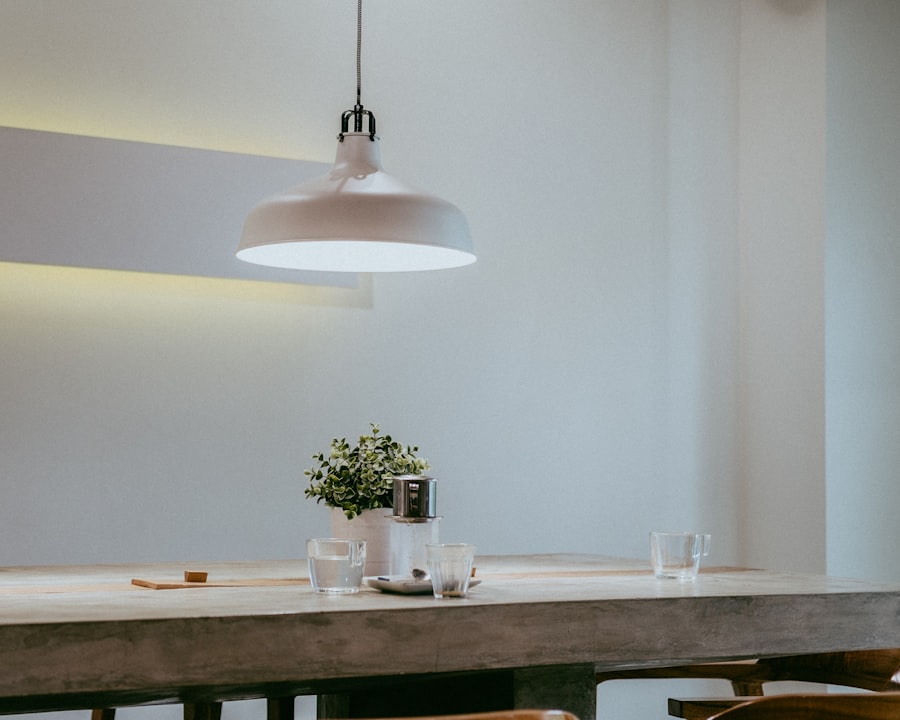
The integration of dimmers into bathroom lighting systems offers unparalleled flexibility in controlling brightness levels throughout the day. Dimmers allow users to adjust lighting according to their specific needs—whether it’s bright light for detailed grooming tasks or softer illumination for unwinding after a long day. This adaptability not only enhances comfort but also contributes to energy savings by allowing homeowners to use only as much light as necessary.
Smart lighting technology takes this concept even further by enabling users to control their bathroom lights remotely through smartphones or voice-activated devices. Smart bulbs can be programmed for different settings—such as bright white for morning routines or warm tones for evening relaxation—allowing for personalized experiences tailored to individual preferences. Additionally, smart systems often include features like scheduling and automation, which can enhance convenience by ensuring that lights turn on or off at designated times.
This level of control not only improves functionality but also adds a modern touch to bathroom design.
Safety is paramount when designing bathroom lighting due to the unique conditions present in these spaces. Bathrooms are often exposed to moisture and humidity, which necessitates careful selection of fixtures that are rated for wet or damp locations. Using appropriate fixtures helps prevent electrical hazards while ensuring longevity in environments where water exposure is common.
Furthermore, proper placement of lighting fixtures is essential for safety as well as functionality. Bright lights should be installed near mirrors and work areas to eliminate shadows that could lead to accidents during grooming tasks. Additionally, ensuring that all electrical installations comply with local building codes is crucial; this includes using GFCI (Ground Fault Circuit Interrupter) outlets in areas where water may come into contact with electrical devices.
By prioritizing safety considerations alongside aesthetic choices, homeowners can create a beautiful yet secure bathroom environment that meets all practical needs.
Looking for more inspiration for creative bathroom lighting ideas? Check out this article on frequently asked questions about lighting design. This article covers common queries about different types of lighting fixtures, how to properly illuminate a bathroom space, and tips for creating a cozy and inviting atmosphere. Whether you’re looking to update your current lighting setup or starting from scratch, this article is sure to provide valuable insights and ideas for your next bathroom lighting project.
Some creative bathroom lighting ideas include using LED strip lights around the mirror, installing pendant lights for a modern look, and incorporating dimmable lights for a relaxing atmosphere.
To make your bathroom lighting more functional, consider adding task lighting near the vanity for grooming, installing ambient lighting for overall illumination, and incorporating accent lighting to highlight certain features in the bathroom.
Energy-efficient bathroom lighting options include LED bulbs, which use less energy and last longer than traditional incandescent bulbs, as well as motion sensor lights that turn on only when someone is in the room.
To create a spa-like atmosphere with bathroom lighting, consider using soft, warm lighting, incorporating dimmable lights for adjustable ambiance, and adding candles or flameless LED candles for a relaxing glow.
Creative ways to incorporate natural light into the bathroom include installing a skylight or solar tube, using frosted or textured glass for privacy while still allowing natural light to filter in, and positioning mirrors to reflect natural light throughout the space.





Leave a comment