When it comes to selecting the right type of lighting for your living room, it is essential to consider the three primary categories: ambient, task, and accent lighting. Ambient lighting serves as the foundational layer, providing overall illumination to the room. This can be achieved through ceiling fixtures, chandeliers, or recessed lighting.
The goal is to create a well-lit environment that allows for comfortable movement and visibility throughout the space. Task lighting, on the other hand, is designed to illuminate specific areas where activities such as reading or working take place. Floor lamps positioned next to a reading chair or table lamps on side tables are excellent examples of task lighting.
Accent lighting adds depth and interest by highlighting particular features or decor elements within the room. This could include wall sconces that draw attention to artwork or decorative shelves. By thoughtfully combining these three types of lighting, you can create a layered effect that enhances both functionality and aesthetics in your living room.
Natural light is one of the most desirable elements in any living space, as it not only brightens the room but also contributes to a sense of well-being. Incorporating natural light into your living room design can be achieved through various strategies. Large windows are an obvious choice; they allow sunlight to flood the space during the day, creating an airy and open feel.
If your living room has limited window space, consider using mirrors strategically placed across from windows to reflect light and make the room appear larger and brighter. Another effective way to maximize natural light is by choosing lighter colors for walls and furnishings. Light hues can help bounce sunlight around the room, enhancing its brightness.
Additionally, using sheer curtains instead of heavy drapes can allow more light to filter in while still providing some level of privacy. Skylights are another innovative option for bringing natural light into spaces that may not have adequate window access. By thoughtfully considering how natural light interacts with your living room design, you can create a vibrant and inviting atmosphere.

Floor lamps and table lamps are versatile lighting options that can add both functionality and style to your living room. These fixtures come in various designs, sizes, and styles, making them suitable for any decor theme. One creative way to use floor lamps is by placing them in corners or behind furniture to create layers of light that enhance the room’s depth.
A tall floor lamp can serve as a statement piece while providing ample illumination for reading or socializing. Table lamps offer similar versatility but are often used on side tables or console tables to provide localized lighting. They can be used to create cozy nooks within the living room where individuals can unwind with a book or engage in conversation.
Mixing different lamp styles—such as pairing a modern lamp with vintage decor—can add an eclectic touch to your space. Additionally, consider using lamps with adjustable brightness settings or unique shades that diffuse light in interesting ways, allowing you to customize the ambiance according to your needs.
| Usage | Benefits |
|---|---|
| Task Lighting | Provides focused light for reading or working |
| Ambient Lighting | Creates a warm and inviting atmosphere |
| Decorative Accent | Adds style and personality to a room |
| Space Saving | Can be placed in small or tight spaces |
Accent lighting is an effective way to draw attention to artwork and decorative elements within your living room. By strategically placing accent lights, you can create focal points that enhance the visual interest of your space. Picture lights mounted above paintings or sculptures can illuminate these pieces beautifully, allowing their colors and textures to stand out.
Similarly, track lighting can be directed toward specific areas or objects, providing flexibility in how you showcase your decor. Another approach is to use LED strip lights along shelves or behind furniture to create a subtle glow that highlights decorative items without overwhelming the overall lighting scheme. This technique not only emphasizes your favorite pieces but also adds depth and dimension to your living room design.
When selecting accent lighting, consider the color temperature; warmer tones tend to create a more inviting atmosphere, while cooler tones can lend a modern edge.
Dimmer switches are an invaluable addition to any living room lighting scheme, allowing you to adjust the brightness according to different activities and moods. The ability to control light levels can significantly enhance the comfort of your space. For instance, during movie nights or intimate gatherings, lowering the lights creates a cozy atmosphere that encourages relaxation and connection among guests.
Conversely, brighter settings may be ideal for social events or when engaging in activities that require more visibility. Installing dimmer switches is relatively straightforward and can be done by most homeowners with basic electrical knowledge. They are compatible with various types of light fixtures, including incandescent bulbs, LED lights, and even smart bulbs that offer additional features such as color changing capabilities.
By incorporating dimmer switches into your living room design, you gain greater control over your environment, allowing you to tailor the lighting experience to suit any occasion.
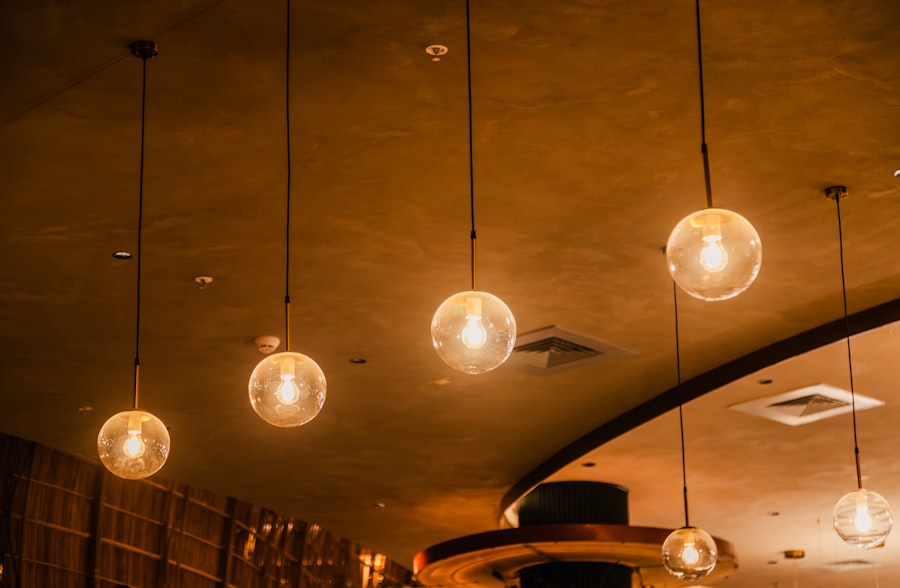
Statement lighting fixtures serve as eye-catching focal points that can dramatically alter the character of your living room. These fixtures come in various forms—chandeliers, oversized pendant lights, or artistic sconces—and are designed to capture attention while providing illumination. A striking chandelier can serve as a conversation starter while adding elegance and sophistication to the space.
When selecting a statement fixture, consider the scale of your living room; larger rooms may benefit from grander designs that fill vertical space. In addition to traditional materials like glass and metal, contemporary statement fixtures often incorporate unique elements such as wood or fabric, allowing for creative expression within your decor theme. For example, a sculptural pendant light made from woven rattan can introduce warmth and texture while serving as an artistic element in the room.
When strategically placed above seating areas or dining tables, these fixtures not only provide necessary light but also enhance the overall aesthetic appeal of your living room.
As sustainability becomes increasingly important in home design, energy-efficient and eco-friendly lighting options are gaining popularity among homeowners looking to reduce their environmental impact. LED bulbs are at the forefront of this movement; they consume significantly less energy than traditional incandescent bulbs while offering longer lifespans—often lasting up to 25 times longer. This means fewer replacements and less waste over time.
In addition to LED bulbs, consider incorporating smart lighting systems that allow you to control your lights remotely via smartphone apps or voice commands. These systems often include features such as scheduling and dimming capabilities that help optimize energy usage based on your lifestyle patterns. Furthermore, solar-powered outdoor lights can illuminate pathways or gardens without relying on grid electricity, making them an excellent choice for eco-conscious homeowners looking to enhance their outdoor spaces sustainably.
By embracing energy-efficient solutions in your living room design, you not only contribute positively to the environment but also enjoy reduced energy bills over time—making it a win-win situation for both your wallet and the planet.
If you’re looking for creative lighting ideas for your living room, you may want to check out this article on payment methods for purchasing new lighting fixtures. Having the right payment method in place can make it easier to invest in high-quality lighting options that will enhance the ambiance of your space. Additionally, feel free to reach out to us through our contact page if you have any questions or need further assistance with your lighting design. Thank you for considering Hefilo for your lighting needs!
Some creative lighting ideas for the living room include using a mix of overhead lighting, floor lamps, table lamps, and wall sconces to create a layered and dynamic lighting scheme. Additionally, incorporating dimmer switches and smart lighting systems can add versatility and ambiance to the space.
You can use lighting to enhance the atmosphere in your living room by choosing warm and soft lighting options, such as warm white LED bulbs or soft, diffused lampshades. Additionally, positioning lights strategically to highlight certain features or areas of the room can also help create a cozy and inviting atmosphere.
To incorporate natural light into the living room, consider using sheer curtains or blinds to allow sunlight to filter into the space while still maintaining privacy. Additionally, positioning mirrors strategically can help reflect natural light throughout the room.
To make a small living room appear larger using lighting, consider using recessed lighting to create a sense of depth and openness. Additionally, using wall-mounted or pendant lights can help free up floor space and create a more spacious feel.
Some energy-efficient lighting options for the living room include LED bulbs, which use significantly less energy and have a longer lifespan compared to traditional incandescent bulbs. Additionally, using motion sensor or timer-controlled lights can help reduce energy consumption by ensuring that lights are only in use when needed.




Leave a comment