The basic principles of interior decoration are color, texture, and balance. Color is one of the most important elements in interior decoration as it sets the mood and atmosphere of a room. Different colors evoke different emotions, so it’s important to choose colors that align with the desired mood for each space. Texture refers to the tactile quality of surfaces in a room. It adds depth and visual interest to a space. Balance is about creating visual equilibrium in a room by distributing visual weight evenly. It can be achieved through symmetrical or asymmetrical arrangements of furniture and accessories.
To apply these principles in decorating a room, start by choosing a color scheme that reflects the desired mood for the space. Consider using a combination of warm and cool colors to create balance and harmony. Use texture to add visual interest to the room by incorporating different materials such as wood, metal, fabric, and glass. Balance the arrangement of furniture by placing larger pieces against walls and smaller pieces in between. Use accessories such as rugs, pillows, and artwork to add pops of color and texture throughout the space.
The elements of design in interior decoration are furniture, lighting, and accessories. Furniture is not only functional but also plays a crucial role in defining the style and character of a room. When choosing furniture, consider the size and scale of the room, as well as the desired function and aesthetic. Lighting is another important element that can greatly impact the mood and functionality of a space. It is important to have a combination of ambient, task, and accent lighting to create a well-lit and inviting environment. Accessories such as rugs, curtains, artwork, and decorative items add the finishing touches to a room and help tie everything together.
When choosing furniture for a room, consider the size and scale of the space. Avoid overcrowding by selecting pieces that are proportionate to the room. Choose furniture that is both functional and aesthetically pleasing. Lighting should be layered to create different levels of illumination in a room. Use a combination of overhead lighting, task lighting, and accent lighting to create a well-lit and inviting space. Accessories should be chosen carefully to complement the overall style and color scheme of the room. Use rugs, curtains, artwork, and decorative items to add pops of color and texture throughout the space.
Color plays a crucial role in interior decoration as it sets the mood and atmosphere of a room. Choosing the right color scheme is essential for creating a cohesive and harmonious space. When selecting colors for a room, consider the desired mood or theme. Warm colors such as reds, oranges, and yellows create a cozy and inviting atmosphere, while cool colors such as blues, greens, and purples create a calm and serene environment. Neutral colors such as whites, grays, and beiges provide a versatile backdrop for any style or theme.
To choose the right color scheme for a room, start by considering the existing elements in the space such as flooring, furniture, and architectural features. Look for colors that complement or contrast with these elements to create a cohesive look. Use the color wheel as a guide to create harmonious color combinations. Analogous colors, which are next to each other on the color wheel, create a harmonious and soothing effect. Complementary colors, which are opposite each other on the color wheel, create a vibrant and energetic effect. Monochromatic colors, which are different shades of the same color, create a sophisticated and elegant look.
To create a cohesive look with color, use a combination of different shades and tones within the chosen color scheme. This will add depth and visual interest to the space. Consider using accent colors to add pops of color throughout the room. Use accessories such as pillows, rugs, artwork, and decorative items in accent colors to tie everything together. Remember to consider the natural light in the room as it can affect how colors appear. Test paint samples on the walls and observe how they look at different times of the day before making a final decision.
A focal point is a specific area or element in a room that draws attention and becomes the center of visual interest. It helps to create balance and harmony in a space by providing a focal point for the eye to rest on. A focal point can be created through architectural features such as a fireplace or large window, or through decorative elements such as artwork or an accent wall.
To create a focal point in a room, start by identifying the area or element that you want to highlight. This could be a fireplace, a large window with a beautiful view, or a piece of artwork. Once you have identified the focal point, arrange furniture and accessories around it to draw attention to it. Use lighting to highlight the focal point and create a sense of drama. For example, use recessed lighting or track lighting to illuminate artwork or architectural features.
Examples of focal points in different rooms include a fireplace in a living room, a bed with a statement headboard in a bedroom, a large window with a view in a dining room, or a piece of artwork on an accent wall in a hallway. The focal point should be the main attraction in the room and everything else should complement and enhance it. Avoid creating multiple focal points in a room as it can create visual confusion and detract from the overall design.
Decorating small spaces can be challenging, but with the right strategies, it is possible to make the most of limited square footage. The key is to maximize space and create the illusion of a larger and more open environment. There are several tips for maximizing space in a small room.
First, choose furniture that is proportionate to the size of the room. Avoid oversized pieces that will overwhelm the space. Opt for multifunctional furniture that serves multiple purposes, such as a sofa bed or an ottoman with storage. Use furniture with exposed legs to create a sense of openness and allow light to pass through.
Second, utilize vertical space by installing shelves or hanging storage units on walls. This will free up floor space and provide additional storage options. Use floating shelves to display decorative items and keep surfaces clutter-free.
Third, use light colors on walls and furniture to create an airy and open feel. Light colors reflect light and make a space appear larger. Avoid dark colors that can make a small room feel cramped and claustrophobic.
Fourth, maximize natural light by keeping windows uncovered or using sheer curtains. Natural light not only makes a space feel brighter but also creates a sense of openness.
Fifth, declutter regularly to keep the space organized and free from unnecessary items. Use storage solutions such as baskets, bins, and boxes to keep belongings out of sight.
Examples of small spaces that have been decorated effectively include studio apartments, small bedrooms, and compact living rooms. By following these tips, it is possible to create a functional and visually appealing space even with limited square footage.
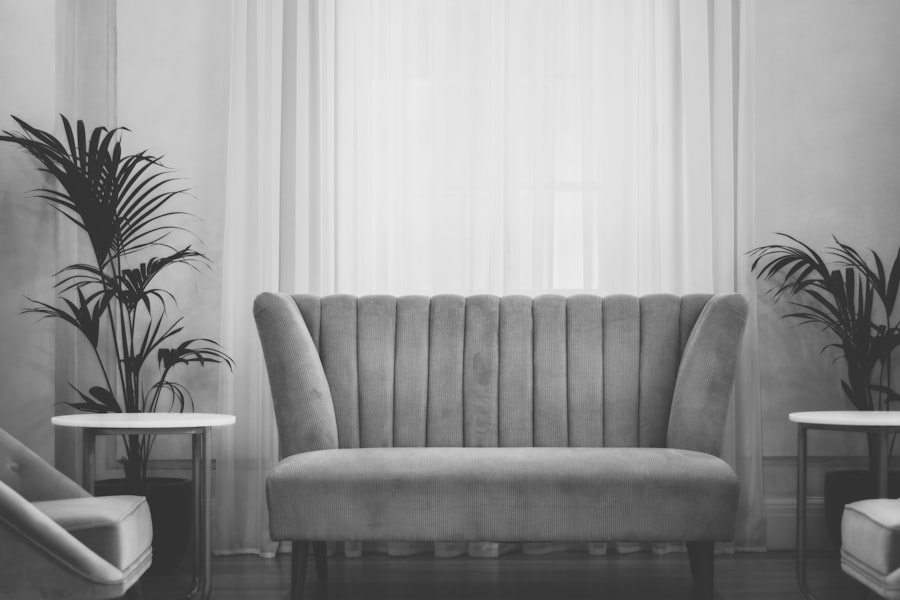
Mixing and matching different design styles can create a unique and personalized look in a room. It allows for creativity and self-expression, and can result in a space that reflects the individual’s personality and taste. However, blending different design aesthetics can be challenging as it requires careful consideration of color, texture, and scale.
To mix and match styles in a room, start by identifying the main design aesthetic or theme. This could be modern, traditional, rustic, eclectic, or any other style that resonates with the individual. Once the main style is established, incorporate elements from other styles to add visual interest and create a layered look.
One way to mix styles is by using furniture and accessories from different eras or cultures. For example, pair a modern sofa with a vintage coffee table or mix Moroccan-inspired textiles with Scandinavian furniture. Another way to blend styles is by combining different textures and materials. For example, mix smooth surfaces with rough textures or combine natural materials such as wood and stone with metallic accents.
When mixing styles, it is important to maintain balance and harmony in the room. Choose a cohesive color palette that ties everything together. Use accessories such as rugs, pillows, and artwork to create visual connections between different elements. Consider the scale of furniture and accessories to ensure they work well together.
Examples of rooms that successfully blend different design aesthetics include bohemian-chic living rooms, mid-century modern bedrooms with industrial accents, and farmhouse kitchens with contemporary lighting fixtures. By mixing and matching styles, it is possible to create a space that is unique, visually appealing, and reflects the individual’s personal style.
Artwork and decorative items play a crucial role in interior decoration as they add personality, character, and visual interest to a room. They can be used to create focal points, add pops of color, and tie everything together. When incorporating art and decor into a room, it is important to consider the scale, placement, and overall style.
When displaying artwork, consider the scale of the piece in relation to the wall or surface it will be placed on. A large piece of artwork can serve as a focal point in a room, while smaller pieces can be grouped together to create a gallery wall. Consider the height at which the artwork will be hung to ensure it is at eye level.
When displaying decorative items, consider the overall style and color scheme of the room. Choose items that complement the existing elements and add visual interest. Use decorative items to create vignettes or groupings on shelves, mantels, or coffee tables. Consider the height and scale of the items to create balance and harmony.
When incorporating art and decor into a room, it is important to consider the overall style and theme. Choose artwork and decorative items that reflect the individual’s personal taste and add meaning to the space. Consider the color palette, texture, and scale of the items to ensure they work well together.
Examples of rooms that effectively incorporate art and decor include living rooms with gallery walls, bedrooms with statement headboards or artwork above the bed, and dining rooms with decorative items displayed on shelves or sideboards. By carefully selecting and displaying art and decor, it is possible to create a space that is visually appealing, personal, and reflective of the individual’s style.
Sustainable interior decoration is becoming increasingly important as people become more aware of the environmental impact of their choices. It involves using eco-friendly materials, reducing waste, and making conscious decisions about the products and resources used in the decorating process. Sustainable interior decoration is important because it helps to reduce carbon emissions, conserve natural resources, and create healthier living environments.
To decorate responsibly, start by choosing eco-friendly materials such as reclaimed wood, bamboo, or recycled glass. These materials are renewable, non-toxic, and have a lower carbon footprint compared to traditional materials. Avoid materials that contain harmful chemicals such as formaldehyde or volatile organic compounds (VOCs).
Reduce waste by repurposing or upcycling existing furniture and accessories. Instead of buying new items, consider giving old pieces a fresh coat of paint or reupholstering them. Donate or recycle items that are no longer needed instead of throwing them away.
Make conscious decisions about the products and resources used in the decorating process. Choose energy-efficient lighting fixtures and appliances to reduce energy consumption. Use low-flow faucets and toilets to conserve water. Consider the environmental impact of the manufacturing process and transportation of products when making purchasing decisions.
Examples of sustainable interior decoration include using reclaimed wood for flooring or furniture, installing energy-efficient lighting fixtures, and using low-VOC paint on walls. By decorating responsibly, it is possible to create a beautiful and functional space while minimizing the environmental impact.
DIY interior decoration is a great way to add personal touches to a space while saving money. It allows for creativity and self-expression, and can result in unique and one-of-a-kind designs. There are several benefits of DIY interior decoration.
First, DIY projects are often more affordable than buying ready-made items. By repurposing or upcycling existing items, it is possible to create custom pieces at a fraction of the cost. Second, DIY projects allow for customization and personalization. Instead of settling for mass-produced items, DIY allows for the creation of unique and personalized designs. Third, DIY projects can be a fun and rewarding way to spend time and learn new skills. It allows for creativity and self-expression, and can be a great way to relax and unwind.
There are several creative ideas for decorating on a budget. One idea is to repurpose or upcycle existing items. For example, an old ladder can be turned into a bookshelf, or a vintage suitcase can be transformed into a coffee table. Another idea is to create custom artwork or wall decor. Use stencils, paint, or fabric to create unique designs on canvas or wood. Consider using natural materials such as driftwood or seashells to create decorative items.
Examples of DIY interior decoration projects include creating a gallery wall with personal photographs, painting furniture to give it a fresh new look, or making custom curtains or pillows. By embracing DIY, it is possible to create a beautiful and personalized space without breaking the bank.
In conclusion, interior decoration is an important aspect of creating a comfortable and functional living space. By understanding the basic principles of color, texture, and balance, and incorporating the elements of design such as furniture, lighting, and accessories, it is possible to create a cohesive and visually appealing environment. Choosing the right color scheme, creating a focal point, maximizing small spaces, mixing and matching styles, incorporating art and decor, decorating responsibly, and embracing DIY are all strategies that can be used to create a beautiful and personalized space.
Looking for some inspiration to spruce up your living space? Check out this informative article on interior decoration from Hefilo’s blog. Whether you’re looking to revamp your bedroom, create a cozy reading nook, or add a touch of elegance to your dining area, this article has got you covered. With expert tips and tricks, you’ll learn how to transform your home into a stylish sanctuary. Don’t miss out on this valuable resource – click here to read the full article. And while you’re at it, make sure to explore Hefilo’s trust reviews here and show your appreciation by visiting their thank you page here. Happy decorating!
Interior decoration is the art and science of enhancing the interior of a building to achieve a healthier and more aesthetically pleasing environment for the people using the space.
Interior decoration can improve the functionality, comfort, and beauty of a space. It can also increase the value of a property and create a positive atmosphere that promotes well-being and productivity.
There are many different styles of interior decoration, including modern, contemporary, traditional, rustic, industrial, minimalist, and eclectic. Each style has its own unique characteristics and design elements.
Some popular interior decoration trends include using natural materials, incorporating bold colors and patterns, mixing vintage and modern pieces, and creating multi-functional spaces.
When decorating a space, it is important to consider factors such as the purpose of the space, the size and layout of the room, the existing architectural features, the color scheme, the lighting, and the budget.
Some common mistakes to avoid when decorating a space include over-cluttering the room, using too many bold colors or patterns, neglecting the lighting, and not considering the functionality of the space. It is also important to avoid buying cheap or low-quality furniture and decor items.


Leave a comment