Selecting the right beginner drone can be a daunting task given the plethora of options available on the market. When considering a drone for novice use, it is crucial to evaluate factors such as ease of use, durability, flight time, and camera capabilities. Many entry-level drones come equipped with user-friendly features like one-key takeoff and landing, altitude hold, and headless mode, which simplifies the flying experience for newcomers.
These features allow beginners to focus on mastering basic flight maneuvers without being overwhelmed by complex controls. Another important aspect to consider is the drone’s build quality. Beginners should look for models made from durable materials that can withstand minor crashes and rough landings.
Drones with protective frames or guards around the propellers can also help prevent damage during initial flights. Additionally, battery life is a critical factor; most beginner drones offer flight times ranging from 5 to 20 minutes per charge. It is advisable to choose a model that allows for easy battery replacement or offers additional batteries for extended flying sessions.
Popular beginner drones like the DJI Tello or the Holy Stone HS210 provide a balance of affordability, functionality, and durability, making them excellent choices for those just starting their drone journey.
Once you have selected your beginner drone, the next step is to learn how to fly it safely and responsibly. Familiarizing yourself with the controls is essential before taking your drone into the air. Most drones come with a remote controller that features various buttons and joysticks for maneuvering.
Practicing in an open area free from obstacles is advisable to minimize the risk of accidents. Many beginners find it helpful to use a simulator app or software that mimics real-life flying conditions, allowing them to practice without the fear of damaging their equipment. Safety should always be a priority when flying drones.
This includes being aware of your surroundings and avoiding crowded areas or private property without permission. It is also crucial to maintain visual line-of-sight with your drone at all times; this means keeping your drone within your direct line of sight without relying solely on camera feeds or screens. Additionally, understanding basic weather conditions is vital; flying in high winds or rain can lead to loss of control or damage to your drone.
By adhering to these safety guidelines and practicing regularly, beginners can build their confidence and skills while enjoying the thrill of flying.
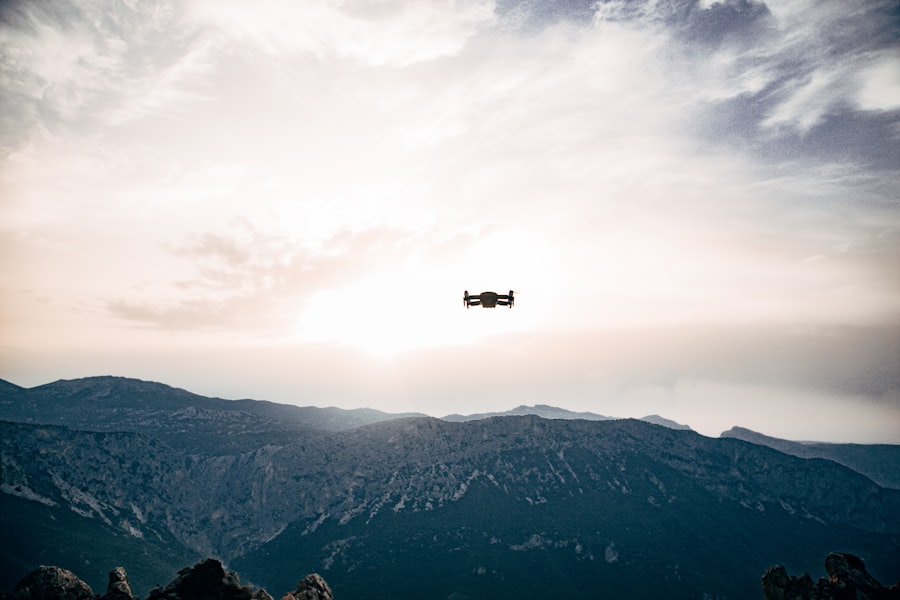
As drone usage has surged in popularity, so too have regulations governing their operation. Understanding these regulations is essential for any drone pilot to ensure compliance and avoid potential legal issues. In many countries, including the United States, drone operators must adhere to guidelines set forth by aviation authorities such as the Federal Aviation Administration (FAA).
These regulations often include requirements for registration, restrictions on flying in certain areas (such as near airports or over crowds), and altitude limits. In addition to national regulations, local laws may impose further restrictions on drone usage. For instance, some cities have enacted ordinances that prohibit flying in public parks or residential neighborhoods due to privacy concerns or safety issues.
It is crucial for drone pilots to research and understand both federal and local regulations before taking flight. Resources such as the FAA’s website provide comprehensive information on drone laws, including how to register your drone and obtain necessary permits for commercial use. By staying informed about regulations, drone pilots can enjoy their hobby while respecting the rights of others and ensuring public safety.
| Country | Maximum Altitude | No-Fly Zones | Registration Required |
|---|---|---|---|
| United States | 400 feet | Airports, National Parks | Yes |
| United Kingdom | 400 feet | Near Airports, Crowded Areas | Yes |
| Canada | 300 feet | Near Airports, National Parks | Yes |
One of the most exciting aspects of owning a drone is the ability to capture stunning aerial photography and videography. Drones equipped with high-quality cameras can provide unique perspectives that were once only accessible through expensive equipment or helicopters. To get started with drone photography, it is essential to understand basic photography principles such as composition, lighting, and framing.
Familiarizing yourself with your drone’s camera settings will also enhance your ability to capture high-quality images. When planning a shoot, consider factors such as location, time of day, and weather conditions. Golden hour—shortly after sunrise or before sunset—offers soft lighting that can dramatically enhance your photos.
Additionally, scouting locations beforehand can help identify interesting angles or compositions that may not be immediately apparent from the air. Experimenting with different flight paths and altitudes can also yield diverse results; for instance, flying low over a landscape can create a sense of intimacy, while higher altitudes can provide expansive views of vast terrains. As you gain experience in aerial photography, you may also want to explore editing software to enhance your images further.
Even experienced drone pilots encounter issues from time to time; understanding how to troubleshoot common problems can save time and frustration. One frequent issue is connectivity loss between the drone and its remote controller. This can occur due to interference from other electronic devices or obstacles blocking the signal.
To mitigate this problem, ensure that you are flying in an open area free from obstructions and away from sources of interference such as Wi-Fi routers or power lines. Another common issue involves battery performance; over time, batteries may lose their ability to hold a charge effectively. Regularly checking battery health and replacing old batteries when necessary can help maintain optimal performance during flights.
Additionally, if your drone experiences erratic behavior or fails to respond correctly to controls, recalibrating the flight controller may resolve these issues. Most drones come with specific instructions on how to perform calibration procedures; following these guidelines can restore stability and control during flight.
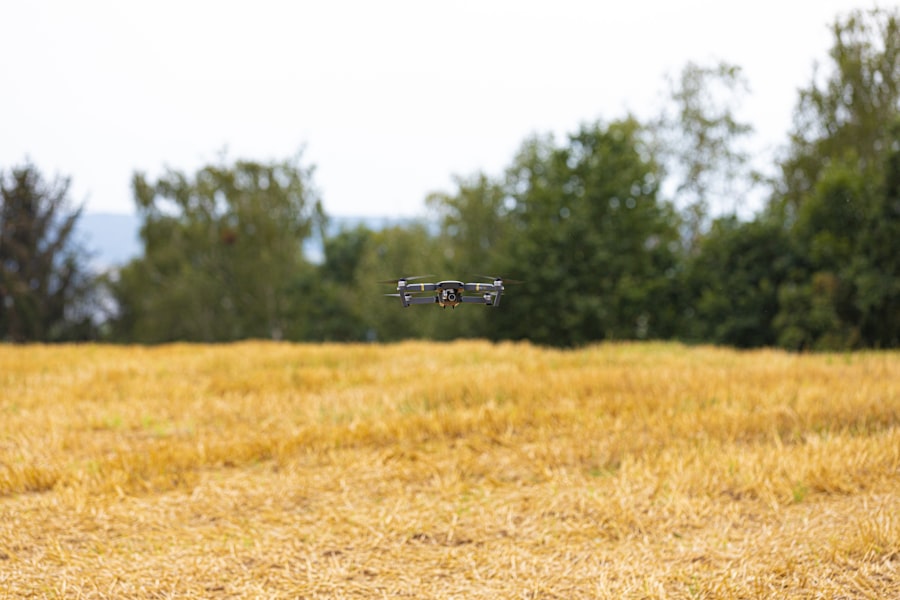
As you become more comfortable flying your drone, you may want to explore advanced techniques and features that enhance your flying experience. Many modern drones come equipped with intelligent flight modes such as follow-me mode, waypoint navigation, or orbit mode that allow for more dynamic shooting opportunities without requiring constant manual control. Learning how to utilize these features effectively can elevate your aerial photography and videography skills significantly.
Additionally, consider expanding your knowledge by exploring different types of drone applications beyond recreational flying. For instance, many industries are increasingly utilizing drones for tasks such as surveying land, inspecting infrastructure, or monitoring wildlife populations. Gaining proficiency in these specialized areas may require additional training or certification but can open up new opportunities for both personal growth and potential career paths in an evolving field.
Engaging with a community of fellow drone enthusiasts can provide invaluable support and resources as you continue your journey in this exciting hobby. Online forums, social media groups, and local clubs offer platforms where pilots can share experiences, ask questions, and exchange tips on everything from flying techniques to equipment recommendations. Participating in these communities not only fosters camaraderie but also exposes you to diverse perspectives that can enhance your understanding of drone technology.
In addition to community engagement, numerous online resources are available for continued learning about drones. Websites dedicated to drone reviews often feature tutorials on various aspects of flying and photography techniques tailored for different skill levels. YouTube channels run by experienced pilots provide visual demonstrations that can be particularly helpful for grasping complex concepts or troubleshooting issues.
Furthermore, many organizations offer workshops or courses focused on specific areas such as aerial photography or drone maintenance; participating in these programs can deepen your knowledge while connecting you with like-minded individuals who share your passion for flying drones.
If you are interested in purchasing a beginner drone, you may also want to check out this article on trust reviews to ensure you are making a well-informed decision. Trust reviews can provide valuable insights into the quality and performance of different drone models, helping you choose the best one for your needs. Additionally, it is important to be aware of the refund policy and shipping and delivery options when buying a drone online to ensure a smooth purchasing experience.
Beginner drones are small, lightweight, and easy-to-use unmanned aerial vehicles designed for individuals who are new to drone flying. They are typically equipped with basic features and are suitable for learning the basics of drone piloting.
Key features to look for in a beginner drone include stability and ease of control, durability, a simple and intuitive remote control, a built-in camera, and a reasonable flight time on a single battery charge.
Popular beginner drone models include the DJI Mini 2, the Holy Stone HS100, the Syma X5C, the Ryze Tello, and the Potensic D58.
The legal regulations for flying beginner drones vary by country and region. In general, drone pilots may need to register their drones with the relevant aviation authority, adhere to specific flight restrictions, and follow local laws and regulations related to drone flying.
Some tips for beginners when flying drones include practicing in an open and obstacle-free area, familiarizing oneself with the drone’s controls and features, maintaining line of sight with the drone, and being mindful of weather conditions and flight restrictions.




Leave a comment